Buy Adipex Online Without Prescription
Buy Adipex Online Without Prescription. Adipex is...

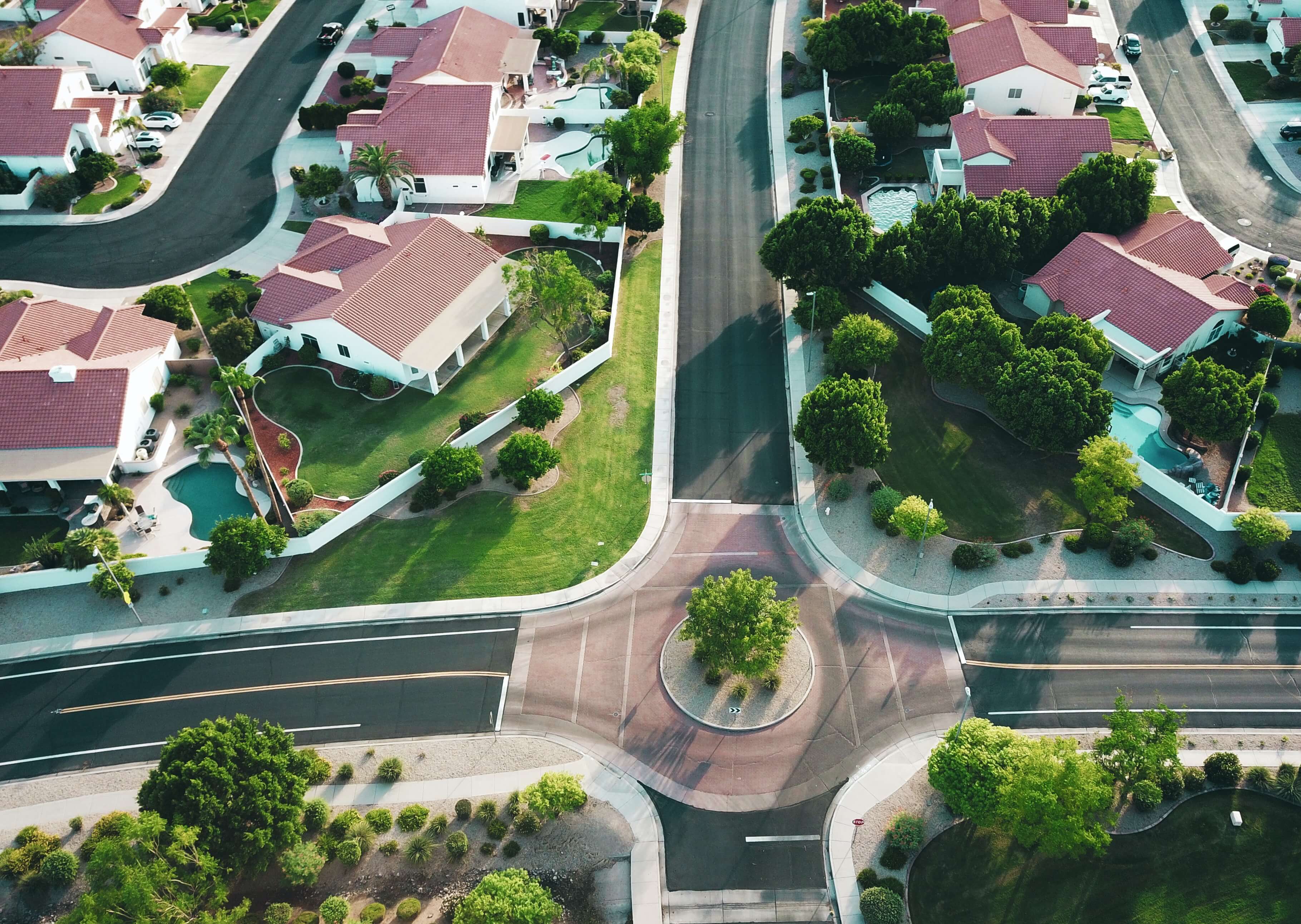
A few years back, most people heard of drone mapping services and thought about construction sites or survey crews standing around dirt piles. That’s changed. Fast. Now the same tech is showing up in security work, emergency response, infrastructure checks, even rural patrol routes where nobody wants to waste three hours driving fence lines. Makes sense honestly. Drones see more in twenty minutes than a guy on foot sees all afternoon.
The interesting part is how mapping data software has evolved beside the hardware. It’s not just pretty aerial photos anymore. Security teams are building live terrain models, thermal overlays, route planning maps, and incident records from a single drone flight. That’s useful when things go sideways. Which they usually do at the worst possible time.
A lot of companies still treat Security Drones like expensive gadgets. They’re missing the point. These systems reduce blind spots. That’s the real value. A warehouse with poor visibility around loading docks? Drone patrols help. Large industrial yards with constant theft issues? Same thing. Event security, border checks, utility infrastructure inspections. It keeps growing.
And yeah, some people get weird about drones flying overhead. Fair concern. But modern systems aren’t random toys buzzing around neighborhoods. Most commercial operators work under strict flight rules and data policies now. Especially law enforcement groups using Police Drones for crowd monitoring or search operations.
One thing people overlook is response time. A drone can launch in under a minute. Humans can’t. By the time security trucks roll across a large property, the drone already mapped the scene and sent back visuals. Sometimes that alone changes outcomes.
Raw footage means almost nothing without organization. That’s where mapping data software quietly does the heavy lifting. It stitches together aerial images, builds 2D and 3D models, tracks movement patterns, and stores inspection history over time. Sounds technical because it is, but operators don’t need to be software engineers anymore.
Platforms connected to Wingtra Drones are getting especially good at high-accuracy surveying. Fixed-wing systems cover huge areas fast, which matters for mines, pipelines, solar farms, and massive industrial properties. A normal quadcopter struggles with that scale. Wingtra setups don’t really blink.
The weird thing is how affordable all this became. Five years ago these workflows were enterprise-only stuff. Now mid-sized security firms are running advanced aerial mapping without giant budgets. Not perfectly, obviously. Weather still ruins plans. Batteries still die at annoying moments. But the efficiency jump is hard to ignore.
Some departments publicly downplay how much they rely on Police Drones now. Internally though? Different story. They’re using them constantly for missing persons, accident reconstruction, perimeter checks, and active threat assessments. Safer for officers too, honestly. Sending a drone first beats walking blind into dangerous areas.
Drone Mapping services also help investigators preserve scenes quickly before evidence shifts or disappears. Rain hits. Traffic moves through. Crowds gather. The drone captures everything early. That digital record matters later.
There’s also thermal imaging. That tech alone changed nighttime operations. A person hiding in heavy brush used to require huge manpower. Helicopters maybe. Hours wasted. A thermal-equipped drone often finds the target in minutes. Creepy? Maybe a little. Effective though. Definitely.
A lot of professionals are watching Quantum System drones right now because of endurance and intelligence capabilities. These aren’t hobby drones pretending to be commercial tools. Different level entirely. Long-range mapping, AI-supported imaging, rugged operations in difficult environments. They’re built for serious field use.
Security contractors working near energy infrastructure or remote industrial zones are paying attention. One drone flight can map miles of territory while feeding live situational awareness back to command centers. That changes staffing needs, patrol strategies, all of it really.
Still, tech alone doesn’t fix poor operations. That part gets skipped in marketing pitches. You still need trained pilots, solid procedures, and people who understand what the data actually means. A fancy drone with bad operators is just expensive noise in the sky.
Short answer? Usually yes. Depends on the operation though. Small facilities might not need daily aerial mapping. Large properties almost certainly benefit from it. Especially when labor shortages keep hitting security industries.
The real savings often come from prevention. Catching theft early. Spotting perimeter breaches before damage spreads. Reducing downtime during inspections. Those costs add up quietly over time. Drone programs often pay for themselves faster than managers expect.
And honestly, clients notice modern security tech now. It affects trust. People assume companies using advanced aerial monitoring are taking protection more seriously. Fair or not, perception matters.
Energy sites use them heavily. Construction too. Agriculture surprisingly became a huge market because Drone Mapping services help monitor irrigation, crop health, and equipment movement. Logistics companies are growing fast in this space as well.
Law enforcement agencies continue expanding drone fleets despite public debates around privacy. Search and rescue groups probably get the least criticism because the value is obvious when drones locate missing people fast.
Private security firms are somewhere in the middle. Some embraced drone programs early. Others still hesitate because regulations feel complicated. They are complicated sometimes. But manageable if companies stop treating compliance like an afterthought.
Drone technology stopped being futuristic hype a while ago. Now it’s practical infrastructure. Drone Mapping services and Security Drones are becoming standard tools because they solve real operational problems, not because they look impressive in presentations. Big difference.
Between mapping data software, Wingtra Drones, Police Drones, and newer Quantum System drones, the industry keeps moving toward smarter surveillance and faster response capabilities. Some companies will adapt early and gain an edge. Others will wait too long and play catch-up later. Happens every time with tech shifts.
The systems aren’t perfect. Wind still causes problems. Regulations still change constantly. Pilots still make mistakes. But overall? The direction is obvious. Security operations are becoming aerial, data-driven, and a lot more proactive than they used to be.

Buy Adipex Online Without Prescription. Adipex is...
In today’s fast-paced digital economy,...
By choosing a Master Electrician, you are...
Feathered Friends Rejoice! Supercharge Your...
Select perfection by working with Interia, the...
Global Rapid Self-healing Gel Market Overview and...
Visualpath stands out as a premier educational...
Transform your morning routine with our diverse collection of mugs. From sleek travel mugs to vibrant colors, find the perfect mug to start your day in style.
Getting started on a brand new platform can feel...
Rheum To Grow TX is helping patients take a more complete view of rheumatoid arthritis treatments, with care designed to support long-term wellness and a better quality of life.



Please login to comment on this Post