Understanding Blood Sugar: A Comprehensive Beginner’s Guide
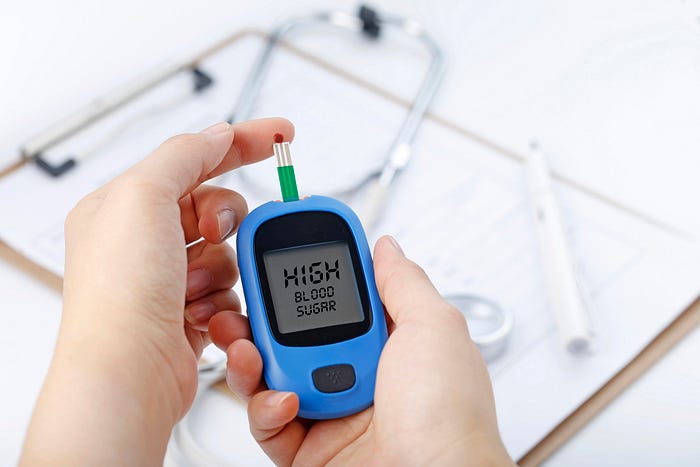
Blood sugar, or blood glucose, is an essential component of our body’s energy system. Regulating blood sugar levels is extremely important as it helps maintaining overall health and prevents various chronic conditions, especially diabetes. This blog aims to provide a comprehensive overview for beginners to understand what blood sugar is, how it is regulated, the methods for measuring it, factors that affect blood sugar levels, common disorders associated with blood sugar imbalances, tips for maintaining healthy levels, and the long-term health implications of blood sugar management.
What is Blood Sugar?
Blood sugar refers to the concentration of glucose in the bloodstream. Glucose is a simple sugar that serves as a primary energy source for the body’s cells. It is derived from the foods we eat, particularly carbohydrates, and is essential for bodily functions. When we consume food, the digestive system breaks down carbohydrates into glucose, which then enters the bloodstream.
Glucose is critical for brain function, muscle activity, and overall energy production. Maintaining a stable blood sugar level is vital for ensuring that the body’s cells receive a constant supply of energy.
How Blood Sugar is Regulated:
The body has a sophisticated system for regulating blood sugar levels, primarily involving the pancreas, liver, muscles, and fat cells.
- Role of the Pancreas: The pancreas plays a crucial role by producing insulin and glucagon. Insulin lowers blood sugar levels by facilitating the uptake of glucose into cells, while glucagon raises blood sugar levels by prompting the liver to release stored glucose.
- Role of the Liver: The liver stores glucose in the form of glycogen. When blood sugar levels drop, the liver converts glycogen back into glucose and releases it into the bloodstream to maintain balance.
- Role of Muscles and Fat Cells: Muscles and fat cells absorb glucose from the bloodstream, which insulin facilitates. This process helps to lower blood sugar levels after meals.
This regulation ensures that blood sugar levels remain within a narrow range, providing a steady supply of energy while preventing the harmful effects of excessively high or low blood sugar levels.
Measuring Blood Sugar
Understanding how to measure blood sugar is essential for managing and monitoring your health, especially if you have diabetes or other conditions that affect blood sugar levels.
- Different Methods of Measurement: Blood sugar levels can be measured using various methods, including finger-prick tests and continuous glucose monitors (CGMs). Finger-prick tests involve using a small device to draw a drop of blood from the fingertip, which is then analyzed using a glucometer. CGMs are wearable devices that continuously monitor blood sugar levels throughout the day and night, providing real-time data.
- How to Use a Glucometer: Using a glucometer involves inserting a test strip into the device, pricking your finger with a lancet, and placing a drop of blood on the test strip. The glucometer then displays your blood sugar level.
- Understanding Blood Sugar Readings: Normal fasting blood sugar levels typically range from 70 to 100 mg/dL, while postprandial (after eating) levels should be less than 140 mg/dL. It’s essential to consult with a healthcare professional to understand your specific target ranges and how to interpret your readings.
Factors Affecting Blood Sugar Levels
Several factors can influence blood sugar levels, making it important to recognize and manage these variables effectively.
- Diet and Nutrition: The type and amount of food consumed significantly impact blood sugar levels. Carbohydrates, in particular, have the most immediate effect. Consuming high-glycemic index foods can cause rapid spikes, while low-glycemic index foods result in more gradual increases.
- Physical Activity: Exercise helps lower blood sugar levels by increasing the body’s sensitivity to insulin and promoting glucose uptake by muscles. Both aerobic and anaerobic exercises are beneficial.
- Medications: Certain medications, such as insulin and oral hypoglycemic agents like Imeglimin, can help manage blood sugar levels in people with diabetes. Imeglimin works by improving insulin sensitivity, reducing glucose production in the liver, and enhancing glucose uptake in muscles.
- Hormonal Changes: Hormonal fluctuations, particularly during puberty, menstruation, pregnancy, and menopause, can affect blood sugar levels.
- Stress and Sleep: Chronic stress and inadequate sleep can lead to hormonal imbalances that raise blood sugar levels.
Common Blood Sugar Disorders
Disorders related to blood sugar imbalances can have serious health implications.
- Hypoglycemia: Hypoglycemia, or low blood sugar, occurs when blood sugar levels drop below 70 mg/dL. Causes include excessive insulin, certain medications, prolonged fasting, and intense physical activity. Symptoms include shakiness, sweating, confusion, and dizziness. Immediate treatment involves consuming fast-acting carbohydrates like glucose tablets or juice.
- Hyperglycemia: Hyperglycemia, or high blood sugar, occurs when blood sugar levels exceed normal ranges. Causes include insufficient insulin, overeating, stress, illness, and inactivity. Symptoms include increased thirst, frequent urination, fatigue, and blurred vision. Management involves adjusting medications, monitoring blood sugar levels, and making lifestyle changes.
- Diabetes Mellitus: Diabetes is a chronic condition characterized by persistent hyperglycemia. There are two main types:
- Type 1 Diabetes: An autoimmune condition where the body attacks insulin-producing cells in the pancreas. Management requires insulin therapy.
- Type 2 Diabetes: A condition where the body becomes resistant to insulin or doesn’t produce enough. Management includes lifestyle changes, medications like Imeglimin, and sometimes insulin.
Tips for Maintaining Healthy Blood Sugar Levels
Maintaining healthy blood sugar levels involves a combination of lifestyle practices and, when necessary, medication.
- Balanced Diet: Focus on a balanced diet rich in low-glycemic index foods, including whole grains, vegetables, fruits, and lean proteins. Avoid sugary drinks and high-carb snacks.
- Regular Physical Activity: Engage in regular physical activity, such as walking, running, cycling, or strength training, to improve insulin sensitivity and glucose uptake.
- Medication Adherence: If prescribed medications like Imeglimin, ensure consistent adherence to maintain stable blood sugar levels.
- Stress Management: Incorporate stress management techniques such as meditation, deep breathing, yoga, or hobbies to help regulate blood sugar levels.
- Regular Monitoring: Regularly monitor your blood sugar levels to identify patterns and make necessary adjustments to your diet, activity, and medication.
Focus on a balanced diet rich in low-glycemic index foods, including whole grains, vegetables, fruits, and lean proteins.
Blood Sugar and Long-term Health
Managing blood sugar levels is crucial for long-term health. Uncontrolled blood sugar levels can lead to various complications, including:
- Cardiovascular Health: High blood sugar levels can damage blood vessels and increase the risk of heart disease and stroke.
- Nerve Damage: Prolonged high blood sugar can lead to neuropathy, causing pain, tingling, and numbness, particularly in the extremities.
- Kidney Damage: High blood sugar can damage the kidneys over time, potentially leading to kidney failure.
- Eye Damage: Diabetes can cause damage to the blood vessels in the retina, leading to diabetic retinopathy and potential blindness.
Conclusion
Understanding blood sugar and its regulation is fundamental for maintaining overall health and preventing chronic conditions like diabetes. By learning how to measure blood sugar, recognizing the factors that affect it, and adopting healthy lifestyle practices, you can effectively manage your blood sugar levels. Medications like Imeglimin can also play a crucial role in managing diabetes. Regular monitoring and consultation with healthcare professionals are essential to ensure optimal blood sugar control and long-term health.









Please login to comment on this Post