Emergency Dentist 24/7 in Birmingham, AL 35260 | Emergency Dental Service
Experiencing Emergency Dentist 24/7 in...

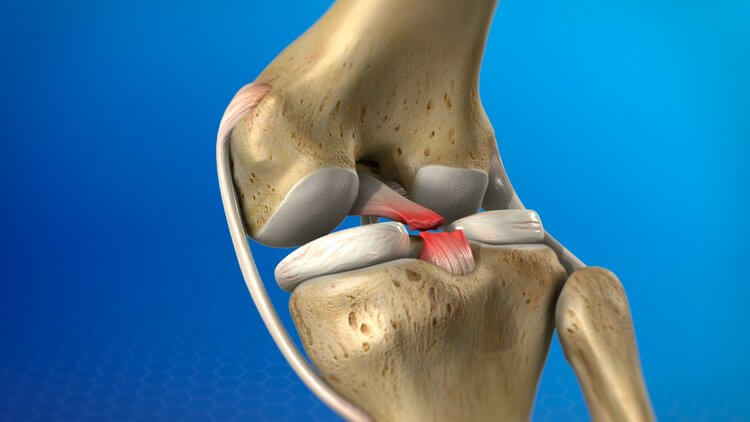
The posterior cruciate ligament, also known as PCL, runs along the back of the knee and connects the thighbone to the top of the lower leg bone. This ligament is responsible for keeping the bones in place and helping the knee move smoothly. When the PCL is sprained, torn, or traumatized, it is termed a PCL injury.
Although the PCL is larger and stronger than the ACL, it is prone to injuries. Depending on their severity, PCL injuries are divided into four categories:
Grade 1: A partial tear in the ligament.
Grade 2: A partial tear along with loosening of the ligament.
Grade 3: A complete tear of the ligament and instability in the knee.
Grade 4: Injury in the PCL along with damage to another knee ligament.
There may be several causes of a PCL injury, including a sedentary lifestyle, an accident, an injury while playing sports, or working out at the gym. You may experience pain, swelling, and other symptoms. Upon your visit to the doctor, they may recommend several treatment options. If conventional treatments do not offer relief, you may have to opt for surgery.
Do All PCL Injuries Require Surgery?
Most PCL injuries do not require surgery at all. The PCL has a better natural healing potential, thanks to its blood supply and the position within the knee. Unlike ACL tears, many isolated injuries, especially grade 1 and grade 2 tears, may heal without any surgical intervention. Upon confirming the intensity of the tear, the doctor may recommend conservative treatment options to manage symptoms. These include bracing and physiotherapy. In many cases, these options are sufficient to restore knee stability and function in mild to moderate injuries.
When Should I Opt for Surgery?
During your appointment with the doctor, they will examine your condition through some physical evaluation. After discussing the symptoms of your condition, they will suggest some tests, including CT scans and X-rays. If the reports indicate a severe tear, you may have to opt for surgery. Surgery is also advised in the following cases:
When the PCL tear is complete, it may lead to long-term knee instability. This situation requires surgical intervention.
If earlier treatments, such as resting, physical therapy, or conservative treatments, do not relieve you of the symptoms, the doctor may suggest surgery to repair the tear.
PCL injuries occurring alongside other knee injuries, including meniscus tears or ACL damage, may require surgical intervention.
Other cases where the doctor may suggest surgery include grade 3 or grade 4 PCL injury, ongoing knee instability, or sharp pain.
What are the Available Surgical Options for PCL Injuries?
PCL Reconstruction
Under a PCL reconstruction, the surgeon removes the torn posterior cruciate ligament and replaces it with a new graft. The graft may come from your tissue or that of a deceased donor. Such replacement stabilizes the knee joint and repairs the tear. PCL reconstruction is the most common surgical procedure for severe PCL injuries. The success rate of this procedure is high, offering long-term relief.
Multiligament Reconstruction
As the name suggests, the surgeon performs this procedure when a PCL injury is accompanied by other injuries or tears, including ACL or LCL. The repair is done in a single surgery to restore total knee function. Although time-consuming, it avoids opting for surgeries over and over again.
Revision PCL Surgery
Your surgeon will recommend this surgery if the previous PCL surgery has failed or the graft did not heal properly. The revision surgery is performed by replacing the graft with a new one.
What Does the Recovery after PCL Surgery Look Like?
The success rate of PCL surgery depends on how well you follow the recovery plan created by the doctor. You will be asked to use crutches for the first few days of the surgery. The surgeon may as well suggest wearing a reconstructive brace to prevent the knee from bending.
You will be advised to work with a physiotherapist during your rehabilitation program. It will begin from the first week of the surgery and may last four weeks. Depending on the speed of your recovery, the physiotherapist will create a personalized therapy plan involving light exercises and stretching to increase your strength, improve your balance, and range of motion.
A full recovery from the surgery may take anywhere between 9 and 12 months, depending on the severity of the tear and if there are existing ligament injuries. You may return to your pre-injury activities upon the advice of the doctor or physical therapist.
Are there Any Complications after PCL Surgery?
Complications or risks after the surgery are rare. They may occur if you don’t follow recovery instructions properly. Common side effects include infection and blood clots. Some serious risks include nerve damage and graft failure in the case of reconstruction.
Takeaway
PCL surgery is a vital option for individuals struggling with severe posterior cruciate ligament injuries. While not all of them require surgical intervention, those with complete tears or knee instability may benefit from the same. With proper treatment, care, and rehabilitation, you may regain stability and strength in your knees in due time.

Experiencing Emergency Dentist 24/7 in...
Transform your kitchen with our complete kitchen...
انترنت الاشياء يعد من اهم...
It is possible that you might already have made...
Samarpan Recovery provides the best rehab...
Entdecken Sie die besten Wasserfilter fur den Wasserhahn und genießen Sie sauberes und gesundes Trinkwasser direkt aus Ihrer Leitung. Informieren Sie sich hier.
At USA Vein Clinic in Atlanta Georgia, we...
In Australia, construction hoarding has...
Improve Workplace Security with Smart Biometric...
Corteiz has quickly made its name in the...






Please login to comment on this Post