logo
info@seolistinghub.com
Email Us

Different types of soil have varying characteristics

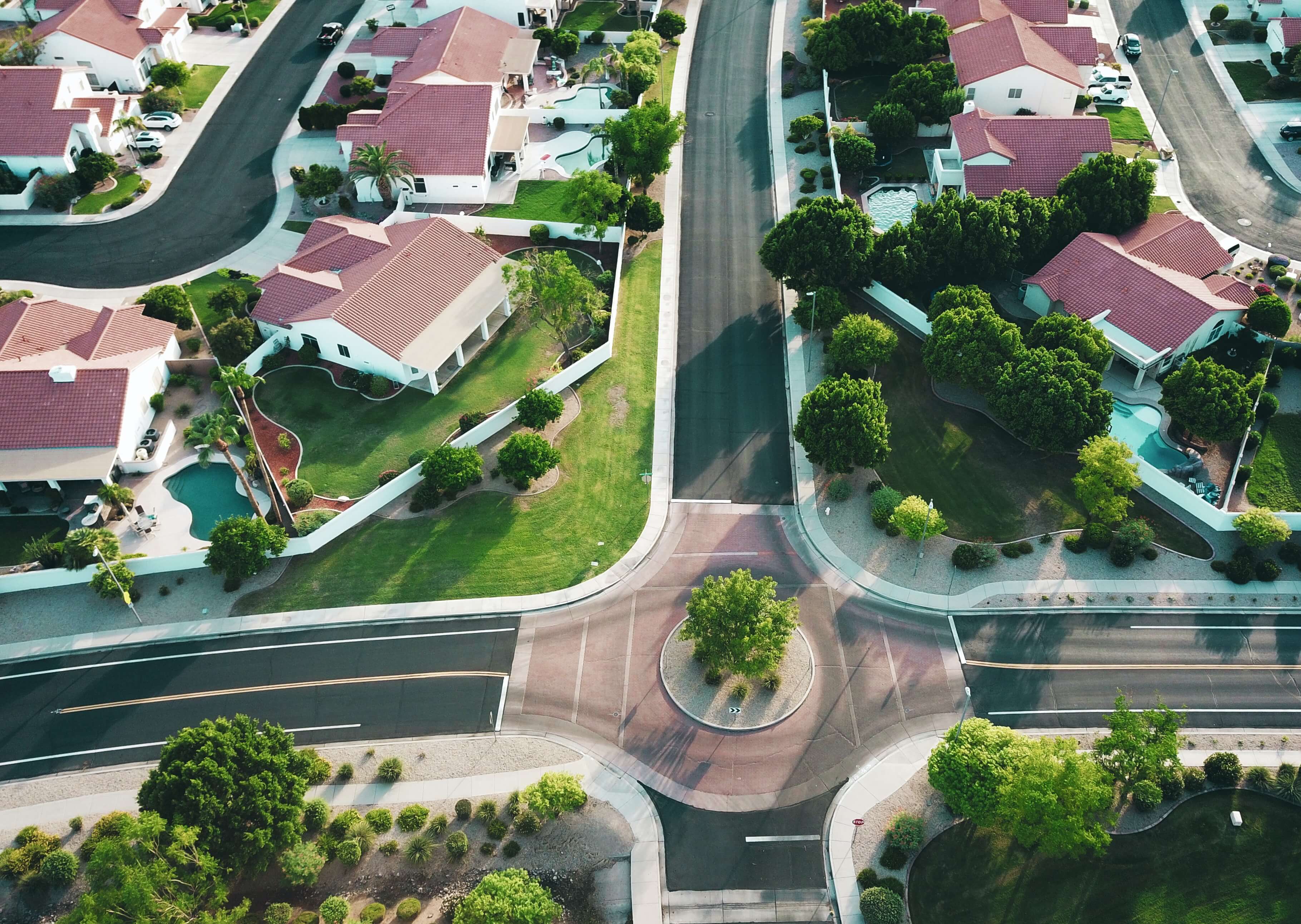
In home construction, the type of soil on a property plays a crucial role in determining the stability and durability of the foundation. Different types of soil have varying characteristics, which can affect the load-bearing capacity, drainage, and overall construction process. Understanding these types can help engineers and builders choose the appropriate foundation design for a safe and long-lasting structure.

Clay Soil: Clay soil is fine-grained and retains water well, making it prone to expansion and contraction with changes in moisture levels. This can lead to foundation movement and settling. While it can be challenging to work with, proper foundation design can mitigate its effects, and it is often used for building in areas where other soils are less stable.

Sandy Soil: Sandy soil has larger particles and excellent drainage properties. It is less prone to expansion and contraction, making it more stable for construction. However, sandy soil has lower cohesiveness and may require additional compaction or stabilization for foundation work.

Loamy Soil: Loamy soil is a balanced mix of sand, silt, and clay, offering good drainage while retaining moisture and nutrients. This type of soil is ideal for construction due to its stability and load-bearing capacity, making it a common choice for residential and commercial buildings.

Silty Soil: Silty soil is fine and smooth, offering moderate drainage. While it holds moisture better than sandy soil, it can become slippery when wet, which can affect the foundation's stability. Silty soil may need to be reinforced with proper drainage systems to avoid settling issues.

Rocky Soil: Rocky soil is composed of loose rocks or gravel and offers excellent stability for construction. Its load-bearing capacity is high, making it suitable for heavy structures. However, excavation can be more difficult and costly due to the presence of large rocks.

Peaty Soil: Peaty soil contains a high amount of organic material and retains moisture well. While it has low load-bearing capacity and can be prone to shifting, it may require soil treatment or stabilization for safe construction.

Each of these types of soil requires careful consideration during the planning phase of construction to ensure the foundation is appropriate for the soil's characteristics, preventing issues like settlement, shifting, or water damage.


Please login to comment on this Post

Most Visited Posts

1

تحميل لعبة Flight Pilot Simulator 3D مهكرة للاندرويد

Flight Pilot Simulator 3D مهكرة...

2

Cara Beli Token Listrik, 2 Metode Isi Ulang Sendiri

Cara Beli Token Listrik - Tentu kamu setuju bahwa...

3

https://shopsupplies.com.au/gondola-shelving/

Introduction Retail shelving solutions are the...

4

Comprehensive Termite Control Services and Rodent Pest Control Solutions in Pakistan

Pest infestations are a growing concern across...

5

Manufacturer of Seamless tubes & Pipes

KRYSTAL GLOBAL ENGINEERING LIMITED (Formally...

6

Get Silky Smooth Skin: Lightweight Moisturizers Recommended by Dermatologists

Elevate your skincare routine to new heights with...

7

List of Best Hospitals in Rajshahi, Bangladesh

List of Best Hospitals in Rajshahi,...

8

Best Greek Restaurant in Molendinar for Fresh Yiros, Breakfast and Catering

Finding a Greek restaurant in Molendinar that hits the sweet spot between flavour, speed, and value isn’t always easy. The Yiros Shop Molendinar solves that problem with fresh food, friendly service, and portions that actually satisfy.

9

Plumbers Edinburgh

Plumbers Edinburgh: Expert plumbing services for all needs. From emergency repairs and drainage solutions to bathroom fittings, boiler installation, replacement, servicing, and repairs. We also provide advanced smart meter heating controls for efficient energy use.  

10

How to Take Telma Tablets for Hypertension Effectively

People of all ages are affected by hypertension,...

Follow Us on