Step-by-Step Guide to Mobile Phone Addiction Treatment in Mumbai
Whether it’s constant checking of your...

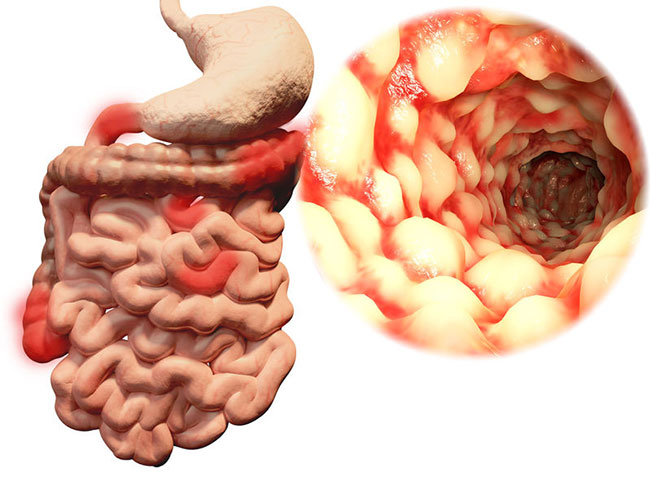
For people living with it, inflammatory bowel disease can feel unpredictable and exhausting — a condition that flares without warning and quietens just as mysteriously. Grouping together two main conditions, Crohn’s disease and ulcerative colitis, it affects millions of people worldwide and often begins in early adulthood. While it is a lifelong condition, a clearer understanding of what it is, how it differs from more common digestive complaints, and how it is managed can make a real difference to living well with it.
Inflammatory bowel disease, or IBD, is a term for conditions that cause chronic inflammation of the digestive tract. Unlike a passing stomach upset, this inflammation is persistent and driven by the body’s own immune system, which mistakenly attacks the lining of the gut. Over time, this can cause damage, ulcers, and a range of uncomfortable and sometimes serious symptoms. It is important not to confuse IBD with irritable bowel syndrome (IBS): although the names sound similar, IBS is a disorder of gut function that does not cause the inflammation or lasting damage seen in IBD. IBD is a genuine, ongoing disease of the bowel that needs proper medical care.
The two main forms of IBD share much in common but differ in important ways. Ulcerative colitis affects only the large intestine — the colon and rectum — where it causes continuous inflammation of the innermost lining. Crohn’s disease, by contrast, can affect any part of the digestive tract from mouth to anus, though it most often involves the end of the small intestine and the beginning of the colon. Crohn’s inflammation can also penetrate deeper through the bowel wall and appear in patches, with healthy areas in between. These differences influence the symptoms a person experiences and the way each condition is investigated and treated, which is why distinguishing between them matters so much.
IBD symptoms vary depending on the type and severity, but common ones include:
Persistent or recurring diarrhoea
Abdominal pain and cramping
Blood in the stool
Unintended weight loss
Fatigue and low energy
A reduced appetite
Because the disease flares and settles, people often go through periods of active symptoms followed by stretches of relative calm known as remission. Some also experience symptoms beyond the gut, such as joint pain or skin and eye problems.
The exact cause of IBD is not fully understood, but it is thought to result from a combination of factors. A person’s genes play a role, as the condition sometimes runs in families. An abnormal immune response — in which the immune system reacts against the gut, possibly triggered by the community of bacteria living there — is central to the disease. Environmental factors, including diet, smoking, and modern lifestyles, appear to influence risk as well. It is also worth noting that IBD is becoming more common in many parts of the world, including regions where it was once rare, a trend researchers link partly to changing diets and lifestyles. Importantly, IBD is not caused by anything a person did wrong, nor by a single food, though certain foods may worsen symptoms during a flare.
Because its symptoms overlap with other conditions, diagnosing IBD involves ruling out other causes and confirming inflammation. Blood tests can reveal signs of inflammation and anaemia, while stool tests help detect gut inflammation and exclude infection. The key investigations, however, look directly at the bowel. A colonoscopy allows the doctor to examine the large intestine and take small tissue samples, which are essential for confirming the diagnosis and telling Crohn’s and ulcerative colitis apart. When the small intestine needs to be assessed — an area standard scopes cannot easily reach — a capsule endoscopy, in which the patient swallows a tiny camera the size of a pill, can capture detailed images as it travels through the gut.
There is currently no cure for IBD, but for most people it can be well controlled. The goals of treatment are to calm active inflammation, bring on remission, and then keep the disease quiet for as long as possible. A range of medicines is used to reduce inflammation and regulate the immune response, and the right combination depends on the type and severity of the disease. Attention to nutrition matters too, since flares can affect appetite and the absorption of nutrients, and in some cases surgery may be needed. Consistent, long-term treatment for inflammatory bowel disease, guided by a specialist and reviewed regularly, gives the best chance of staying in remission and avoiding complications.
Beyond medication, day-to-day habits play a supporting role in living with IBD. While no single diet works for everyone, many people learn which foods tend to aggravate their symptoms during a flare and adjust accordingly, often returning to a varied diet once things settle. Staying well nourished and hydrated is especially important, as is not smoking, which is known to worsen Crohn’s disease in particular. Managing stress, getting enough rest, and keeping up gentle physical activity can all help. Support from family and from others who understand the condition can also make a real difference during difficult spells.
Anyone experiencing persistent diarrhoea, ongoing abdominal pain, blood in the stool, or unexplained weight loss should see a doctor, as these can signal IBD or another condition that needs attention. For those already diagnosed, a return of symptoms, a severe flare, or new problems such as a high fever or severe pain warrant prompt review. Because IBD is a long-term condition, staying in regular contact with a healthcare provider — even during good spells — is one of the most effective ways to keep it under control.
Inflammatory bowel disease is a lifelong condition, but it is far from an unmanageable one. With an accurate diagnosis, the right treatment, and regular monitoring, most people with Crohn’s disease or ulcerative colitis are able to control their symptoms and lead full, active lives. Understanding the condition — what it is, how it behaves, and when to seek help — is the foundation of living well with it, turning something that feels unpredictable into something you can manage with confidence.

Whether it’s constant checking of your...
The majestic Lotus Ballroom and Jamine Halls at the Jio World Convention Centre are Mumbai's top venue for social events, including luxury weddings, red carpet events and premium global events. https://www.jioworldcentre.com/jio-world-convention-centre/venues/banquet-halls
Lawrence Todd Maxwell, head of Todd Maxwell MX Properties, Inc., excels in spearheading ambitious real estate development projects, blending innovative strategies with extensive industry knowledge to deliver exceptional outcomes.
Sea Clean offers expert Boat Wash services using eco-friendly products and advanced equipment. From small boats to large fleets, we deliver a deep clean while protecting our oceans and environment.
A Florida-based commercial real estate company specializes in retail development, including convenience stores, quick-service restaurants, urgent care outpads, and other retail properties, offering tailored solutions to maximize property potential.
Slingshot AI Secures $30M Seed Funding to...
Order Link >>>...
التكنولوجيا اللاسلكية
Explore types of cement and cement grades for modern urban infrastructure. Discover how cement attributes impact construction durability at JK Cement. visit now
When it comes to opening a new Bank Account, the...






Please login to comment on this Post