roofing company jacksonville fl
The best roofs start with the the best teams. Our skilled licensed professionals are part of a greater team that collaborates with you to complete the project safely, on time, and within budget.

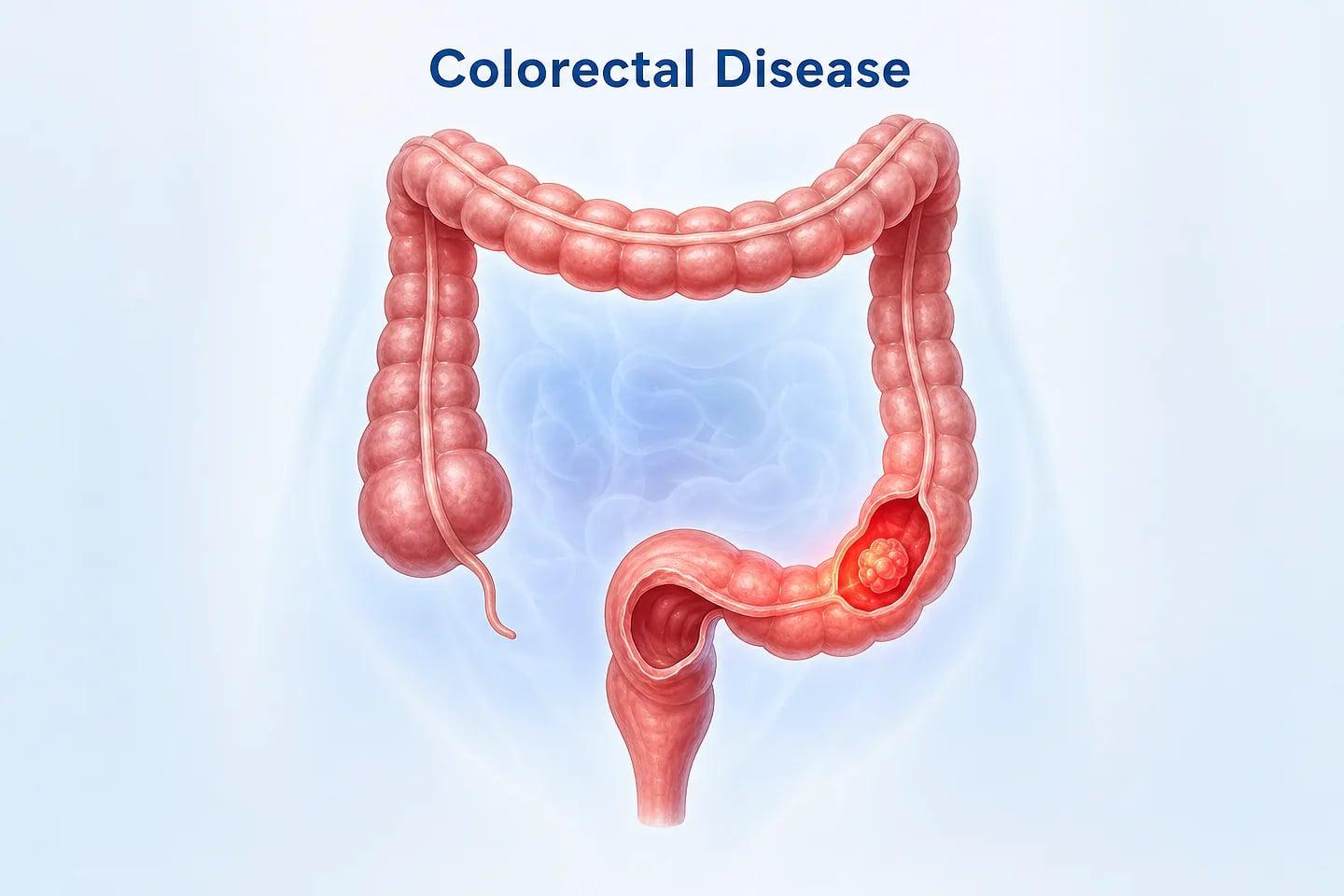
The colon and rectum do unglamorous but essential work, and problems affecting them are among the most common in general surgery. Two in particular deserve wider understanding: colorectal cancer, which is one of the most preventable and treatable cancers when caught early, and rectal prolapse, a distressing but very fixable condition that many people suffer with in silence. Both are now routinely managed with minimally invasive techniques that have transformed recovery. Knowing the warning signs, and knowing that effective treatment exists, is often the difference between an easy solution and a difficult one.
The colon, or large intestine, absorbs water and salts from digested food and forms waste into stool. The rectum is the final section, where stool is stored before it leaves the body. Because this part of the digestive system handles waste and is rich in blood vessels and nerves, problems here tend to announce themselves through bleeding, changes in bowel habit, discomfort or a sensation of something being wrong. These signals should never be ignored out of embarrassment.
Colorectal cancer usually begins as a small growth called a polyp on the inner lining of the colon or rectum. Most polyps are harmless, but some can slowly turn cancerous over several years. This slow progression is precisely what makes the disease so preventable: screening can find and remove polyps before they ever become dangerous.
Warning signs worth acting on include a persistent change in bowel habits, blood in the stool, unexplained weight loss, ongoing abdominal discomfort or a feeling that the bowel does not empty completely. These symptoms have many innocent causes, but they always deserve assessment rather than assumption. Risk rises with age, a family history of the disease, certain inflammatory bowel conditions, smoking, obesity and a diet low in fibre.
The stage at which colorectal cancer is found has an enormous bearing on outcome. Caught early, while still confined to the bowel wall, it is very often curable. Discovered late, after it has spread, treatment becomes far more complex. This is why screening from the recommended age, or earlier for those with a family history, is one of the most valuable health decisions a person can make.
When surgery is required, most colorectal procedures today are performed using keyhole techniques, which allow the surgeon to remove the affected segment of bowel through small incisions. Specialised treatment for colon cancer of this kind typically means less pain, a shorter hospital stay and a faster return to normal life than traditional open surgery, without compromising the thoroughness of the operation.
Rectal prolapse occurs when part of the rectum slips down and protrudes through the anus. It is most common in older adults, particularly women, and is often linked to long-standing constipation, weakened pelvic floor muscles or previous childbirth. Symptoms include a visible bulge, a feeling of incomplete emptying, mucus discharge and, over time, difficulty controlling bowel movements.
Although rarely dangerous, prolapse tends to worsen gradually and rarely improves without treatment. Many people delay seeking help because of embarrassment, which only allows the condition to progress. The good news is that surgery is highly effective and, in most cases, minimally invasive.
The standard corrective procedure lifts the rectum back into its proper position and secures it, relieving symptoms and restoring normal function. Modern surgery to correct rectal prolapse is usually performed laparoscopically, which means the repair is achieved through a few small incisions with a quicker, more comfortable recovery than open approaches once required.
Whether the operation is for cancer or prolapse, the keyhole approach offers a consistent set of benefits:
Smaller incisions and less visible scarring
Reduced blood loss during surgery
Less post-operative pain
Shorter hospital stays
A faster return to work and daily activity
Lower rates of wound-related complications
A great deal of colorectal health is within personal control. A diet rich in fibre from fruit, vegetables and whole grains supports regular, healthy bowel function and is associated with a lower cancer risk. Staying physically active, maintaining a healthy weight, limiting processed and red meat, not smoking and moderating alcohol all contribute. Treating constipation early, and avoiding chronic straining, also helps protect the pelvic floor and reduce prolapse risk over the long term.
A colorectal assessment is usually more comfortable than people fear. It begins with a conversation about symptoms and history, followed by a straightforward examination. Depending on the findings, the specialist may recommend a colonoscopy, a procedure that allows the entire colon to be viewed directly and any polyps to be removed on the spot, often performed under sedation. Imaging such as a CT scan may be added when needed. For prolapse, the diagnosis is frequently clear on examination alone. Knowing that these investigations are routine, quick and well tolerated removes much of the anxiety that keeps people away.
The recurring theme with colorectal conditions is that early action makes treatment simpler and outcomes better. Any persistent change in bowel habit, rectal bleeding, a visible bulge or unexplained abdominal symptoms warrants a professional assessment. These are everyday consultations for a colorectal surgeon, who can quickly determine whether the cause is minor or something that needs attention.
Colorectal health rarely gets the attention it deserves until something goes wrong. Yet these are among the conditions where knowledge and timing count for the most. Understanding the warning signs, taking screening seriously and seeking help without delay turn potentially serious problems into manageable ones — and, in the case of cancer, can prevent them from ever developing at all.

The best roofs start with the the best teams. Our skilled licensed professionals are part of a greater team that collaborates with you to complete the project safely, on time, and within budget.
https://originalcerts.org/ Pass any of these...
Candor TechSpace, Sector 21, Gurugram, is the largest office space in the SEZ, featuring a thoughtful retail mix, terrace gardens, and open sit-outs.
Engagement rings have long symbolized love and...
Experience the convenience of professional...
Best Hospitals in Can Tho, Mekong Delta Region, Vietnam In this blog, we have selected the best hospitals in Can Tho, Vietnam that provide comprehensive treatment to the patients and have experienced medical professionals with the latest equipments to provide evidence-based care.
Exquisite Introductions offers exclusive...
The heart of your iPhone's power management...
Losing weight and burning fat can be a challenge, but the right diet can make all the difference. Incorporating certain foods into your diet can help you achieve your weight loss goals and boost your metabolism. Here are some of the best foods for losing weight and burning fat.
Green investing is a way of using your money to support businesses or projects that care about the environment. For example, you can invest in companies that make solar panels, wind turbines, electric cars, or biodegradable products.






Please login to comment on this Post